Classic Rose Embroidery Design Review for Business Branding
First Impressions: Elegant, Timeless, and Versatile
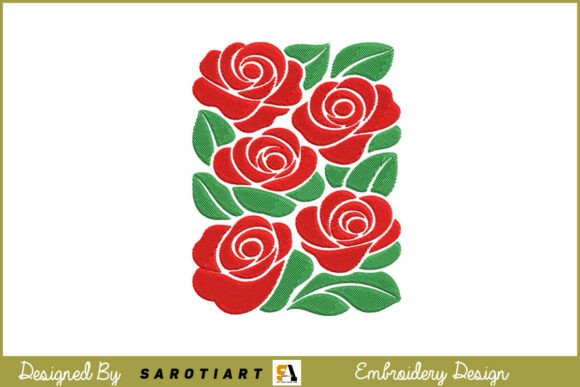
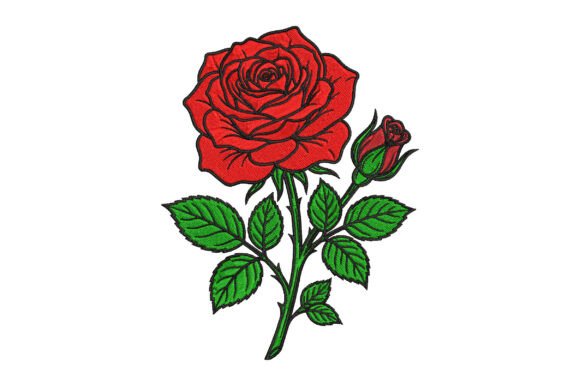
As an embroidery designer evaluating the Classic Rose Embroidery Design, the first impression is one of timeless elegance. The description hints at a rich red rose in full bloom, suggesting a design that’s both classic and detailed. This makes it ideal for small businesses looking to elevate their brand with a touch of sophistication.
From a branding perspective, this design feels premium and professional while still maintaining a sense of warmth and approachability. It leans more toward elegant and classic than playful or rustic, making it a strong contender for businesses that want to project quality and refinement.
Real-World Business Use: From Patches to Product Branding
The Classic Rose Embroidery Design has excellent potential across a wide range of business applications. Here's how it performs in various use cases:
- Embroidered patches: The design’s floral focus makes it a natural fit for patches, especially for brands in lifestyle, beauty, or boutique niches. It reads well as a standalone accent or part of a larger branded patch set.
- Staff uniforms: A chest or sleeve placement would add a subtle yet memorable touch to employee apparel. It works especially well for cafes, florists, or creative studios that want a hint of personality without overwhelming the uniform.
- Apron embroidery: For food businesses or craft studios, this rose design can be a soft but effective way to reinforce brand identity on functional workwear.
- Cap embroidery: While the rose is detailed, it could work on the front or side of a cap if resized appropriately. Test at smaller scales to ensure clarity and readability from a distance.
- Tote bag design: As a focal point on a tote, the design adds a touch of handmade charm. It's especially effective for Etsy sellers or boutique brands looking to stand out in a crowded market.
- Product packaging accents: Whether as a sewn-in label or embroidered tag, this design can elevate product packaging for handmade or artisanal goods.
- Customer gifts and event merch: From limited-run tote bags to embroidered aprons, this design helps create memorable, branded keepsakes that feel personal and high-quality.
- Etsy branding and craft business assets: It works well as a signature design element for digital embroidery shops or creators selling branded merchandise.
Where to Use with Caution
While the Classic Rose Embroidery Design offers many benefits, there are a few scenarios where caution is advised:
- Small patch sizes: If the design is intricate, it may lose definition at very small scales. Always test the embroidery file at intended patch dimensions.
- Cap fronts: Curved surfaces can distort stitch placement. Confirm that the hoop size and stitch density are appropriate for the cap’s shape.
- Textured or dark fabrics: Thread color contrast and fabric texture can affect the visibility and clarity of the rose. Consider testing on sample materials before full production.
- High stitch density: Dense embroidery can lead to stiffness or puckering on lighter fabrics. Check for balance between detail and fabric compatibility.
- Frequent washing: For uniforms or workwear, ensure the design holds up well under repeated laundering by testing a sample.
Impact on Brand Identity and Customer Perception
Choosing the right embroidery design is more than just decoration—it’s about reinforcing brand identity. The Classic Rose Embroidery Design contributes to a polished, cohesive brand image by adding a touch of elegance and craftsmanship.
When used consistently across merchandise like tote bags, aprons, and caps, this design enhances customer trust and brand recognition. It signals attention to detail and professionalism, which is especially important for small businesses trying to compete with larger brands.
For handmade or Etsy-style brands, the floral motif adds a handmade presentation that appeals to buyers seeking authenticity. It also increases product value perception when used on premium items like custom apparel or artisanal packaging.
Practical Notes for Embroidery Designers
Before putting the Classic Rose Embroidery Design into production for a small business client, here are key steps to ensure quality and compatibility:
- Test in black and white first: This helps identify any contrast or clarity issues before committing to color thread choices.
- Check small patch performance: Resize the embroidery file to your intended patch size and stitch it out to see how the details hold up.
- Review thread color contrast: Ensure the chosen thread colors stand out clearly on the target fabric, especially for dark or textured materials.
- Inspect spacing and stitch density: Make sure the design isn’t too dense or tight, which can cause fabric issues during embroidery.
- Confirm hoop size: Check that the hoop size required for the design fits your machine and the item you're embroidering.
- Test on real fabric: Always run a sample on the actual fabric the client will use to assess how the design lays and wears.
- Use proper stabilizer: Depending on fabric type, choose a cut-away, tear-away, or wash-away stabilizer that supports the design without leaving residue.
- Create a printable mockup: Provide a digital mockup of the design on the intended product to get client approval before production.
- Compare with other design assets: Ensure this design works visually alongside your client’s other logos or embroidery files for visual consistency.
- Confirm commercial licensing: If the design will be used for resale or client projects, verify that the digital embroidery file includes the appropriate commercial use license.
Final Thoughts: A Smart Choice for Business Branding
The Classic Rose Embroidery Design is a versatile, elegant option for small businesses looking to enhance their merchandise and branded items. Whether used on a tote bag, cap, or staff apron, it brings a sense of refinement and professionalism that resonates with customers.
As a designer, I recommend testing and adjusting the design for your specific use case before full production. With proper planning and execution, this embroidery file can become a valuable part of your client’s visual brand language and a standout feature in their product lineup.