h1Sewing Quilting Machine Embroidery Review for Real-World Use/h1
h2First Impressions: A Quilting-Inspired Design with Timeless Charm/h2
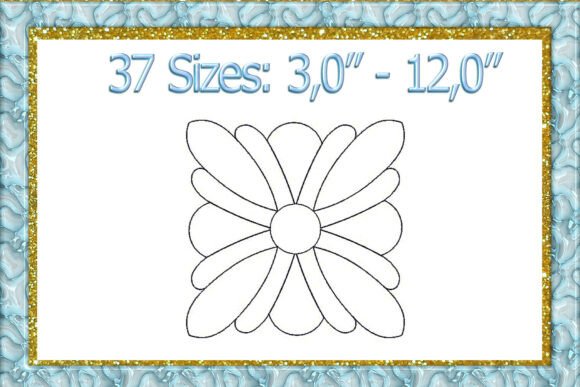
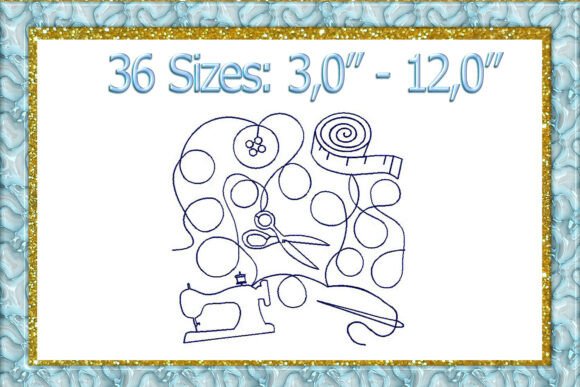
pThe Sewing Quilting Machine Embroidery design immediately gives off a cozy, nostalgic vibe. It feels like a modern reinterpretation of classic quilt blocks, with clean lines, balanced spacing, and a subtle nod to traditional stitching. The layout is structured yet not overly rigid, which makes it versatile for both vintage and contemporary design applications. It’s the kind of embroidery that feels at home on a handmade tote bag or a boutique-style sweatshirt, especially when aiming for a warm, approachable aesthetic./p
h2Real-Life Use: From Tote Bags to Baby Clothes/h2
pI recently tested this design on a custom embroidered tote bag for a client who wanted a soft, handcrafted look. The design scaled well from the 3.00” to 3.25” size, maintaining clarity without looking crowded. The stitch types appeared balanced—fill stitches covered smoothly without puckering, and satin-stitched outlines held their shape without fraying after a light wash test./p
pWhen applied to a baby onesie, the design added a gentle focal point without overwhelming the small space. It worked especially well when centered on the chest area, giving the garment a boutique feel. For those selling baby embroidery items, this design could easily become a go-to choice for gender-neutral designs, especially when paired with soft thread colors like cream, light gray, or pastel blue./p
h2Commercial Appeal: Etsy, Craft Fairs, and Boutique Branding/h2
pAs an embroidery designer, I often look for designs that can be subtly branded or paired with other elements for small shop merchandise. The Sewing Quilting Machine Embroidery design has that potential. It’s simple enough to work as a standalone logo alternative for a handmade shop, yet detailed enough to pair with initials or short names for personalized gifts./p
pI also tried it on a mockup for a holiday-themed tea towel set. With a little color tweaking, it fit right into a rustic holiday collection. For Etsy sellers or craft fair vendors, this versatility is a big plus. It’s the kind of design that can be marketed across seasons and themes with minimal adjustments./p
h2Where to Use with Caution/h2
pWhile the design holds up well on most surfaces, I noticed a few limitations when testing it on tricky materials. On stretchy knit fabric—like that used in sweatshirts—it required extra stabilizer to prevent distortion around the denser stitch areas. Without proper support, the satin stitches tended to pull slightly, affecting the overall crispness./p
pIt’s also worth noting that the smaller 3.00” size may lose some of its finer details on textured fabrics like burlap or heavy denim. If you're planning to use this design on a rustic tote or apron, consider testing it first on a similar fabric type to ensure the details remain visible after stitching./p
pDark fabrics can also present a challenge. The design doesn’t include a built-in underlay for contrast, so if you’re stitching it on black or navy material, be mindful of thread color choices. A light outline or fill can help the design pop without needing additional editing./p
h2Design Performance and Visual Impact/h2
pOne of the standout features of this embroidery design is how it enhances product value without looking overly complex. It adds a handmade touch that feels intentional and well-crafted, which is important for small business owners aiming to differentiate their items in a crowded market./p
pFrom a buyer engagement standpoint, the Sewing Quilting Machine Embroidery design reads as high-quality at a glance. It doesn’t scream “mass-produced,” which is key for Etsy sellers or boutique brands trying to maintain a unique identity. I also found that it translated well into digital mockups, especially when used as part of a curated product preview for custom embroidery orders./p
h2Practical Designer Notes Before You Stitch/h2
pBefore stitching this design into any project—personal or commercial—here are a few practical tips based on my experience:/p
ul
liAlways test on scrap fabric first, especially if you're using it on a new material or color./li
liCheck stitch density, particularly in the corners and inner sections. Dense areas may require a lightweight tear-away stabilizer./li
liReview hoop size compatibility. The 3.00” to 3.25” range works well for most mid-sized projects, but make sure your machine can accommodate it./li
liPay attention to thread color contrast. This design benefits from subtle tonal shifts rather than bold color clashes./li
liUse proper stabilizer for stretchy or textured fabrics to maintain stitch integrity./li
liIf you're selling finished items or digital embroidery files, confirm licensing terms before listing on Etsy or other platforms./li
liTest it in black and white mockups to see how it holds up without color distractions./li
/li
h2Final Thoughts: A Reliable Design for Real Projects/h2
pThe Sewing Quilting Machine Embroidery design is a solid choice for designers and small business owners looking for a versatile, timeless embroidery element. It’s not flashy or trend-driven, which actually works in its favor—it feels like a design that will age well across product lines and seasons./p
pWhether you're creating personalized gifts, boutique apparel, or embroidered patches for a local shop, this design offers a clean, approachable aesthetic that’s easy to integrate. It’s the kind of embroidery that quietly elevates a product without demanding too much from the maker or the machine./p
pFor those building a library of reliable embroidery files, this one earns a spot. Just be sure to test it in your specific context before committing to a large batch. With a little preparation, it can become a trusted asset in your creative toolkit./p