How Lucky Are We Embroidery Design: A Designer’s Review for Small Business Use
First Impressions: Whimsical, Friendly, and Branded-Ready
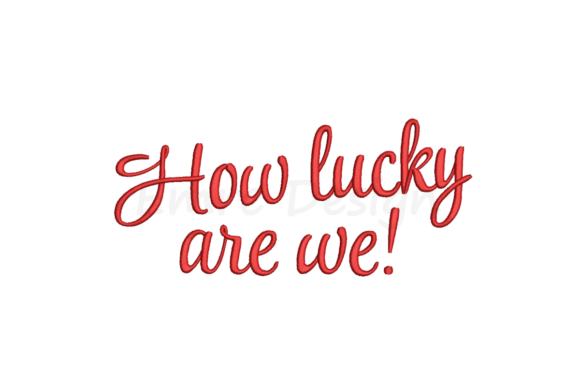
As an embroidery designer evaluating the How Lucky Are We Embroidery Design, my first impression is that this is a fun and approachable design with clear personality. The title alone suggests a lighthearted, positive brand tone, which is perfect for small businesses looking to add warmth and charm to their merchandise. Based on the product description, this design brings a whimsical touch that could work well for cafes, boutiques, handmade shops, and creative studios wanting to inject a sense of joy into their branded items.
Business Use Potential: From Patches to Product Packaging
The How Lucky Are We Embroidery Design has solid potential for a wide range of commercial embroidery applications. Here’s how it could be used effectively by small businesses and embroidery shops:
- Embroidered Patches: This design could be resized and stitched as a standalone patch, perfect for attaching to tote bags, jackets, or even as a sew-on label for handmade products.
- Staff Uniforms & Aprons: Ideal for a boutique café or bakery looking to add a cheerful touch to employee apparel, especially on chest or sleeve placements.
- Cap Embroidery: While the design may need simplification for curved cap fronts, it could work as a side or back accent for a more casual brand aesthetic.
- Tote Bag Design: A great fit for Etsy sellers or local shops offering reusable bags with embroidered branding. The design’s charm complements eco-conscious or artisanal branding.
- Product Packaging Accents: If used on fabric tags or packaging for handmade goods, this embroidery file can elevate the unboxing experience with a personal touch.
- Customer Gifts & Event Merch: For small businesses hosting pop-ups or seasonal events, this design could be stitched onto towels, pouches, or hats for memorable branded giveaways.
Where to Use It Carefully
While the How Lucky Are We Embroidery Design is versatile, there are some practical considerations for embroidery shops and merch creators:
- Small Patch Sizes: If the design contains fine lines or small text, it may not scale well for tiny patches. Test it at a reduced size before committing to production.
- Cap Fronts & Curved Surfaces: Embroidery on curved surfaces like baseball caps can distort fine details. Consider simplifying or adjusting the layout for better stitch clarity.
- Dark Uniforms: The visual impact of the design may depend heavily on thread color contrast. Always test on dark fabric with different thread combinations.
- Textured Fabric: Fabrics like towels or thick denim may affect how the embroidery lays. Use appropriate stabilizer and test on actual material before bulk production.
- Frequent Washing: If used on aprons or workwear, ensure the design has balanced stitch density to hold up over time without fraying.
Brand Identity & Visual Consistency
For small businesses, consistency in branding is key. The How Lucky Are We Embroidery Design has the potential to become a signature element of a brand’s visual identity—especially if used across multiple touchpoints like staff uniforms, tote bags, and product packaging. Its whimsical nature can help convey a sense of approachability and warmth, which is especially valuable for businesses in the handmade, wellness, or lifestyle niches.
When used consistently, this digital embroidery file can contribute to stronger customer trust and brand recognition. It gives a handmade presentation that feels intentional and curated, which resonates well with modern buyers looking for authenticity in small business products.
Practical Designer Notes Before Production
Before using the How Lucky Are We Embroidery Design for commercial embroidery projects, here are key steps every embroidery shop or apparel decorator should follow:
- Test in Black and White: Run a monochrome version first to assess contrast and clarity, especially for dark fabrics.
- Check Small Patch Sizes: Ensure the design doesn’t lose detail when scaled down for patches or labels.
- Review Thread Color Contrast: Choose thread colors that enhance readability and visual appeal on the intended fabric.
- Inspect Spacing and Stitch Density: Make sure there’s enough spacing to avoid thread bunching and maintain a clean finish.
- Confirm Hoop Size: Match the hoop size to your machine and the placement area (e.g., cap, sleeve, chest).
- Test on Real Fabric: Always stitch a sample on the actual material to check for texture and tension issues.
- Use Proper Stabilizer: Choose a stabilizer that matches the fabric type—cut-away for stretchy materials, tear-away for stable ones.
- Create a Printable Mockup: Provide clients with a visual of the design on the product before production to ensure alignment with brand goals.
- Compare with Other Design Assets: Ensure this embroidery file works alongside your other logos, fonts, and graphics for cohesive branding.
- Confirm Commercial Licensing: Verify that the design allows for commercial use before applying it to branded merchandise or resale items.
Final Thoughts: A Charming Addition to Your Design Toolkit
The How Lucky Are We Embroidery Design is a strong contender for small businesses and crafters looking to add a friendly, handmade feel to their merchandise. Whether you’re creating custom apparel, embroidered patches, or boutique-style product tags, this design brings personality and warmth to any item.
As a designer, I recommend taking the time to test and adjust the design for your specific use case. With proper preparation, this machine embroidery design can become a valuable asset in your creative business toolkit—enhancing brand identity, customer engagement, and the perceived value of your finished product.