Japanese Koi Embroidery: A Craft Fair Designer’s Honest Review
First Impressions: Bold, Elegant, and Versatile
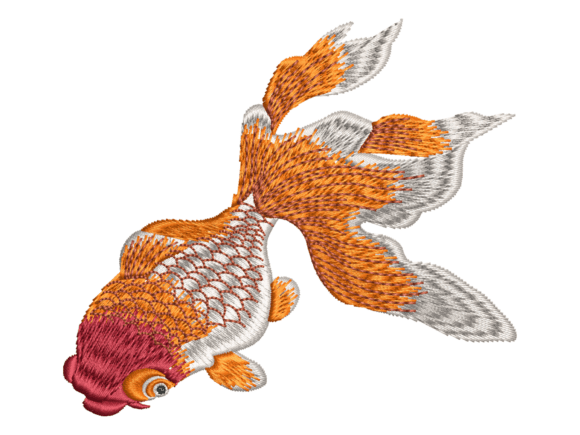
As an embroidery designer who regularly crafts for handmade markets and Etsy, the first thing I noticed about the Japanese Koi Embroidery design is its strong visual presence. It’s bold without being overwhelming, elegant with a touch of whimsy, and versatile enough to fit into a variety of handmade product niches—from farmhouse kitchen decor to boutique apparel. The koi motif is timeless, and this digital embroidery file brings a fresh, modern twist to a classic symbol of perseverance and beauty.
How It Performs Across Craft Fair Products
This design works especially well on tote bags and aprons, where the larger embroidery area allows the koi’s flowing lines to shine. I tested it on a linen tea towel and found it added just the right amount of decorative flair without overpowering the fabric. As an embroidered patch, it holds up beautifully—perfect for attaching to denim jackets or market bags.
On curved surfaces like caps, the design still reads clearly, though I recommend using a smaller hoop size and testing on a sample cap first. For small pouches and pillow covers, the Japanese Koi Embroidery becomes a focal point, drawing attention without looking too busy. It also translates well into printable mockups, making it a smart choice for Etsy sellers building digital listings.
Visual Appeal and Customer Engagement
At a craft fair, where first impressions are everything, this embroidery file stands out. The design reads clearly from a distance, which helps draw foot traffic to your booth. Whether stitched on light or medium-dark fabric, the contrast in thread colors makes the koi pop. It’s the kind of design that sparks conversation—people recognize the symbolism and appreciate the craftsmanship.
From a branding standpoint, it adds a premium feel to your handmade product line. If you're curating a cohesive booth with a nature or minimalist theme, this machine embroidery design fits right in. It elevates the perceived value of your tote bags, aprons, and patches, giving your products a boutique-level finish.
Production Practicality: Batch-Friendly and Booth-Ready
One of the biggest pluses for this design is its repeatability. Once you’ve dialed in the settings, you can batch-produce it across multiple items with minimal adjustments. It’s also a good size for both small and medium hoop machines, making it accessible to home embroiderers and small shop owners alike.
That said, keep an eye on stitch density. There are a few areas with tighter stitching—particularly around the fins and scales—that may require a bit more stabilizer support. I also noticed that the smallest details, like the eye and tail edges, can get lost on textured towels or thick canvas, so it’s worth testing on your intended fabric first.
Important Notes for Embroidery Sellers
- Test on scrap fabric before committing to your final product, especially if you're using dark or textured materials.
- Check thread contrast—some colors may need tweaking to maintain clarity on different fabric tones.
- Review spacing between stitches to avoid thread bunching or distortion on stretchy fabrics.
- Confirm hoop size compatibility with your embroidery machine before production begins.
- Inspect stitch density to ensure it's appropriate for your fabric type and thickness.
- Use the right stabilizer—a medium-weight tear-away or wash-away works best for this design.
- Create at least one real mockup to see how it photographs for Etsy or digital listings.
- Compare fabric colors side-by-side to find the most flattering thread match.
- Confirm commercial licensing for the design if you plan to sell finished products.
Where to Use Japanese Koi Embroidery for Maximum Impact
This digital embroidery file shines brightest when used on products that allow for a clear, flat stitching surface. Here’s where I found it to be most effective:
- Tote bag design – Centered on a natural canvas tote, it becomes the hero of your craft fair booth.
- Apron embroidery – Adds a decorative but not overly fussy touch to kitchen or gardening aprons.
- Tea towel embroidery – Works beautifully as a single accent or repeated in a subtle pattern.
- Embroidered patch – Ideal for resale or as a customizable add-on to denim and fabric accessories.
- Pillow covers – Especially effective on neutral tones, where the design becomes a soft statement piece.
- Market bags – Perfect for boutique shoppers looking for a unique, handcrafted look.
- Handmade gifts – Great for gift sets with matching embroidered tea towels, pouches, and totes.
- Booth samples – Display a few finished items to show quality and scale—customers love seeing the design in person.
- Etsy listings – Photographs well and reads clearly in digital mockups, helping boost online sales.
- Commercial embroidery – A versatile design that can be scaled and adapted for custom orders.
Final Thoughts: A Solid Investment for Craft Entrepreneurs
The Japanese Koi Embroidery design is a reliable, eye-catching choice for craft fair sellers and digital embroidery designers alike. It’s a design that balances detail with clarity, making it suitable for both casual and premium handmade products. Whether you're creating a booth display or building out your Etsy shop, this embroidery file offers real value and visual appeal.
As with any digital embroidery file, always test before production and ensure you understand the terms of use. But if you're looking for a fish embroidery design that stands out in a sea of sameness, this one is definitely worth adding to your collection of design assets.